Il regno [ dell'analemma ]
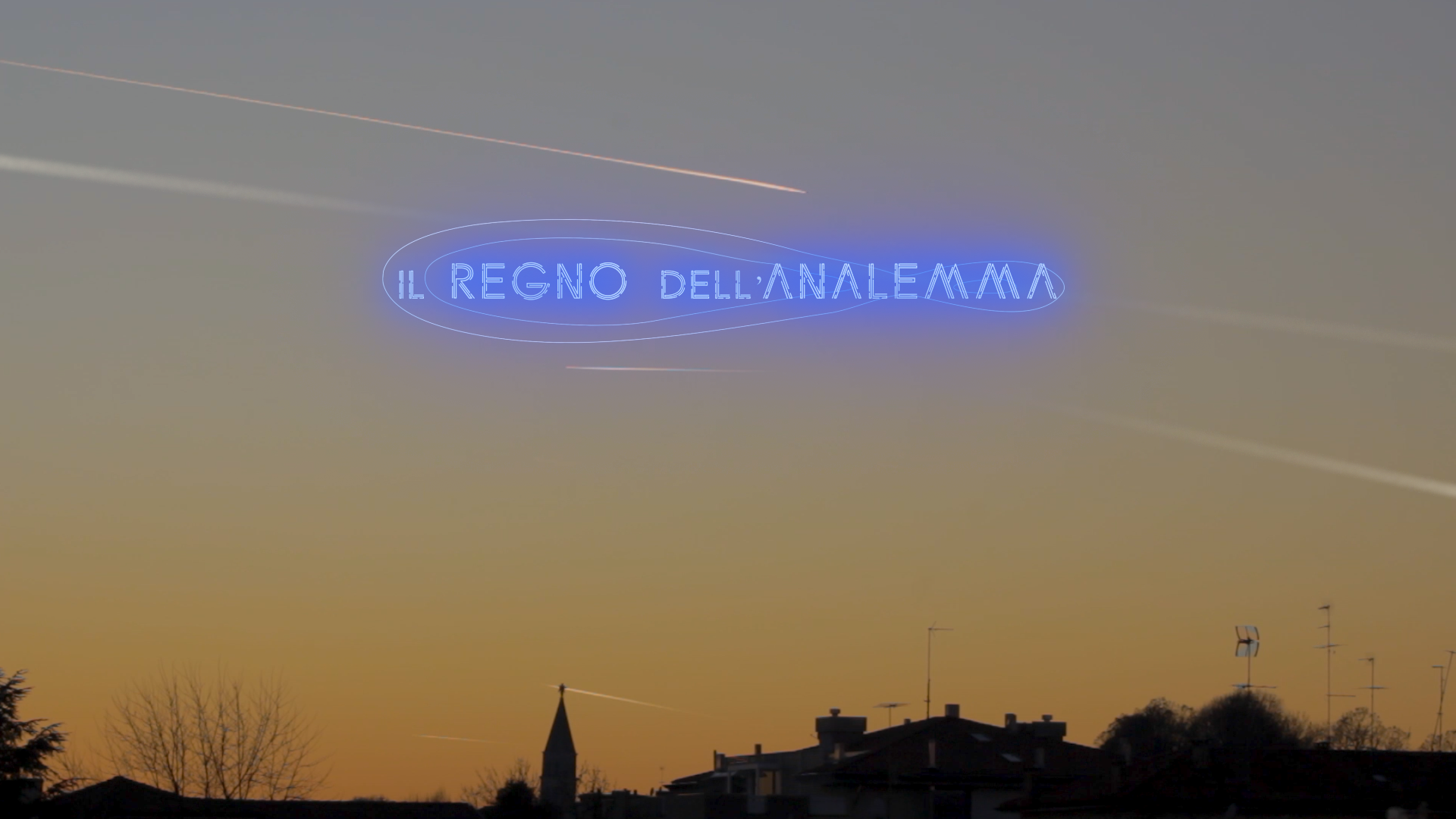
Short description: After crossing an analemma, a woman is trapped in an unknown Realm. In a hostile, conservative, masculine, and capitalist society, she uncovers the logic of this Realm and, by embracing difference, finds a way to leave.
Synopsis: A young healer arrives by accident in an unknown Realm and becomes trapped by its analemma, which opens during the winter solstice. Forced to stay for an entire year, she tries to settle, find work, and build relationships, but faces language barriers, social injustice, and rejection as a stranger.
In spring, she befriends a group of open-minded outsiders who give her a special lens, encouraging her to seek a scientific job. During summer, she is expelled from her apartment, and later receives a job offer that demands she renounce her body and change her skin color.
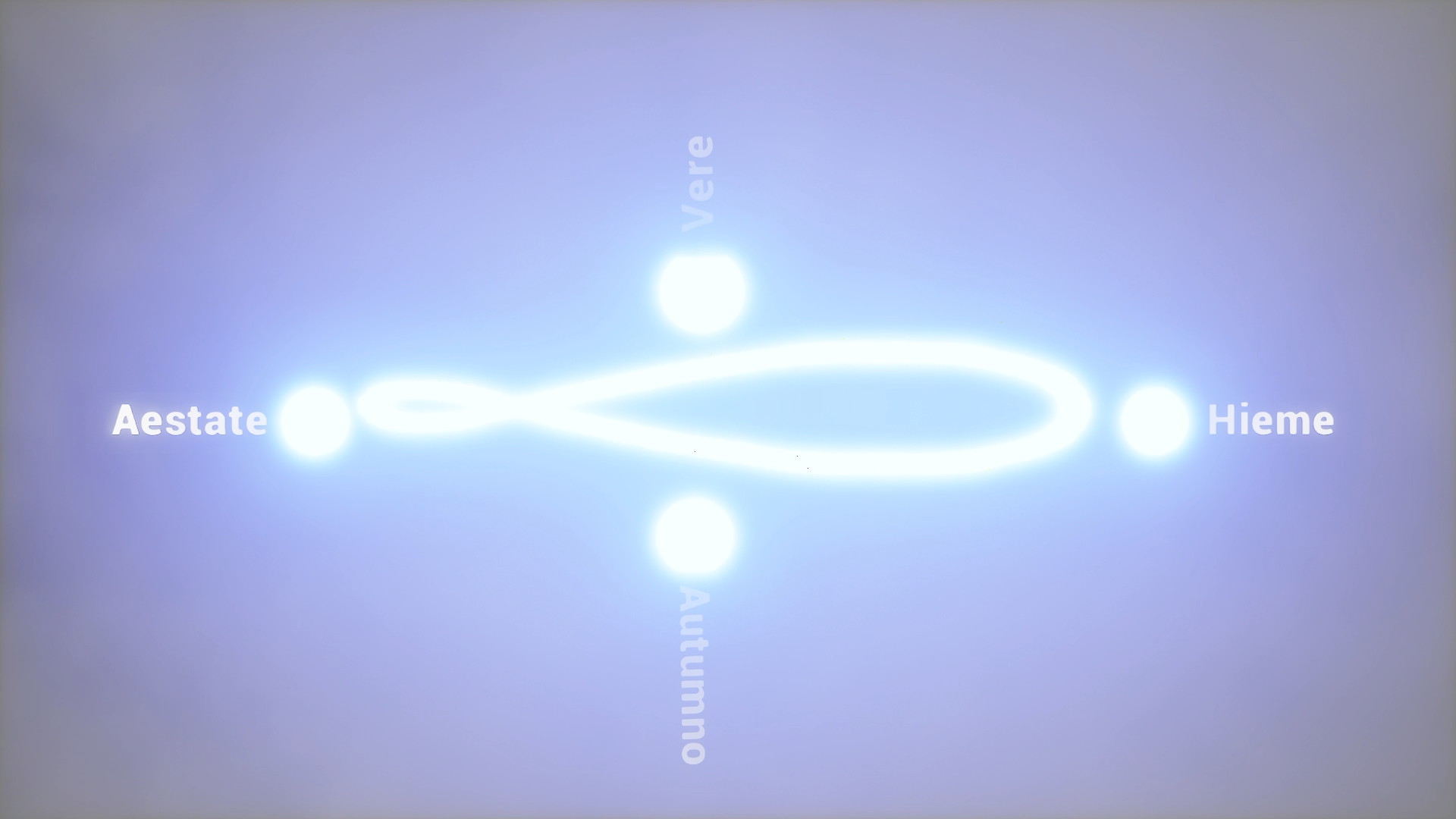
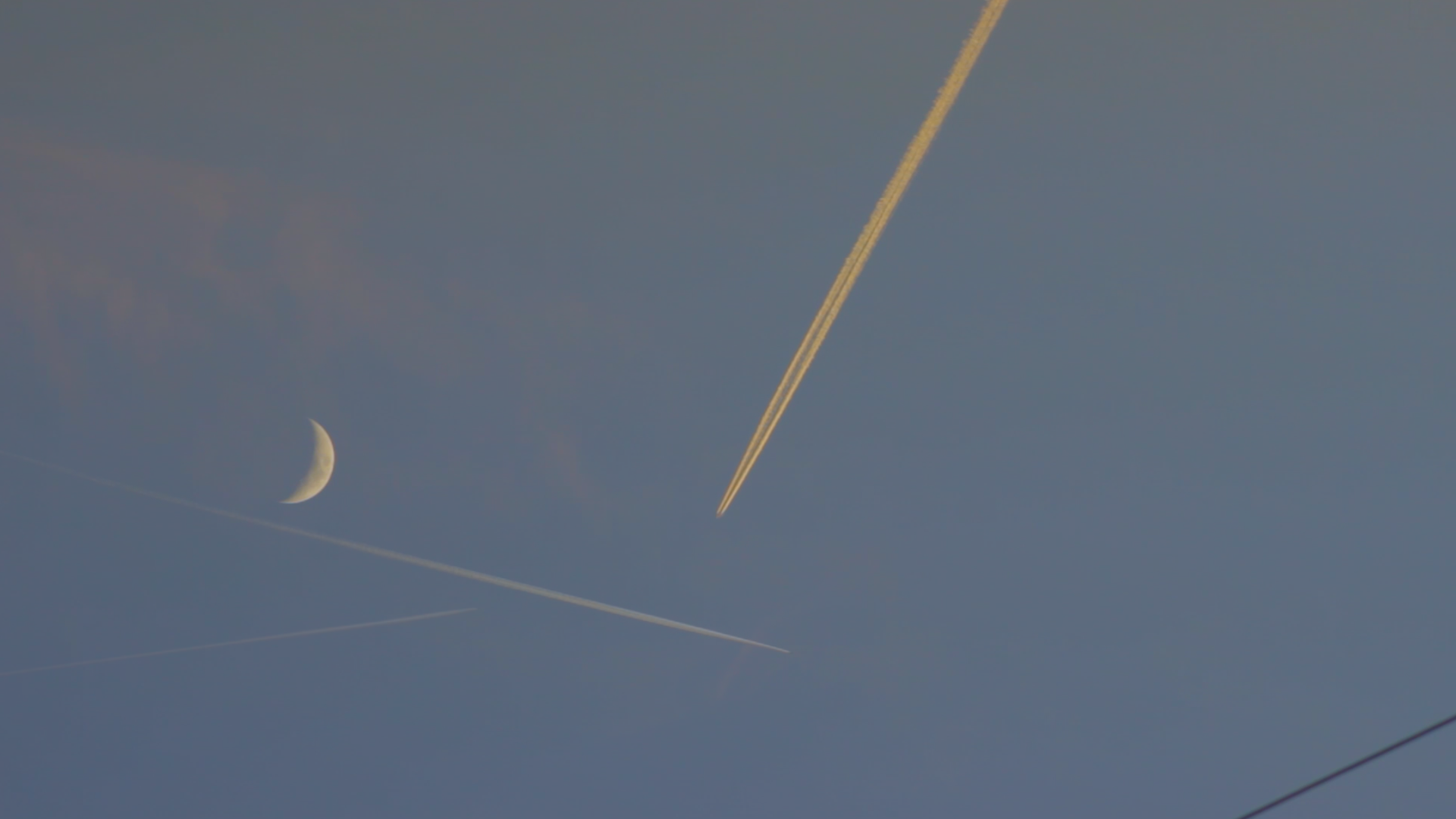
Through the lens, she discovers ancient ruins and understands the Realm’s fear of outsiders, symbolized by the figure-eight shape of the analemma. Unable to change it, she recognizes herself instead in the linear traces of airplanes in the sky. At the winter solstice, she crosses the analemma and leaves the Realm.
Format: Mid length documentary
Development stage: In postproduction
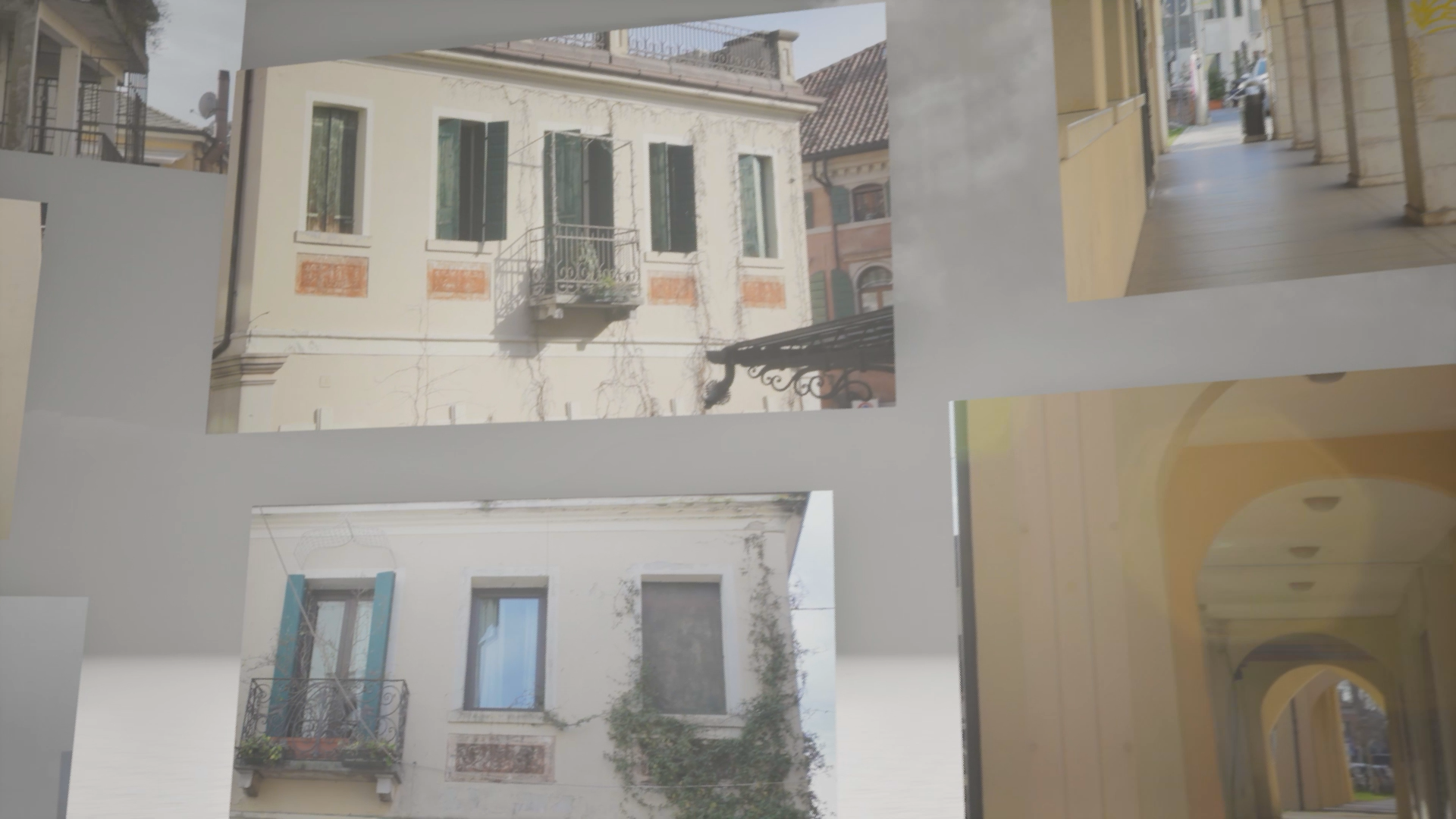
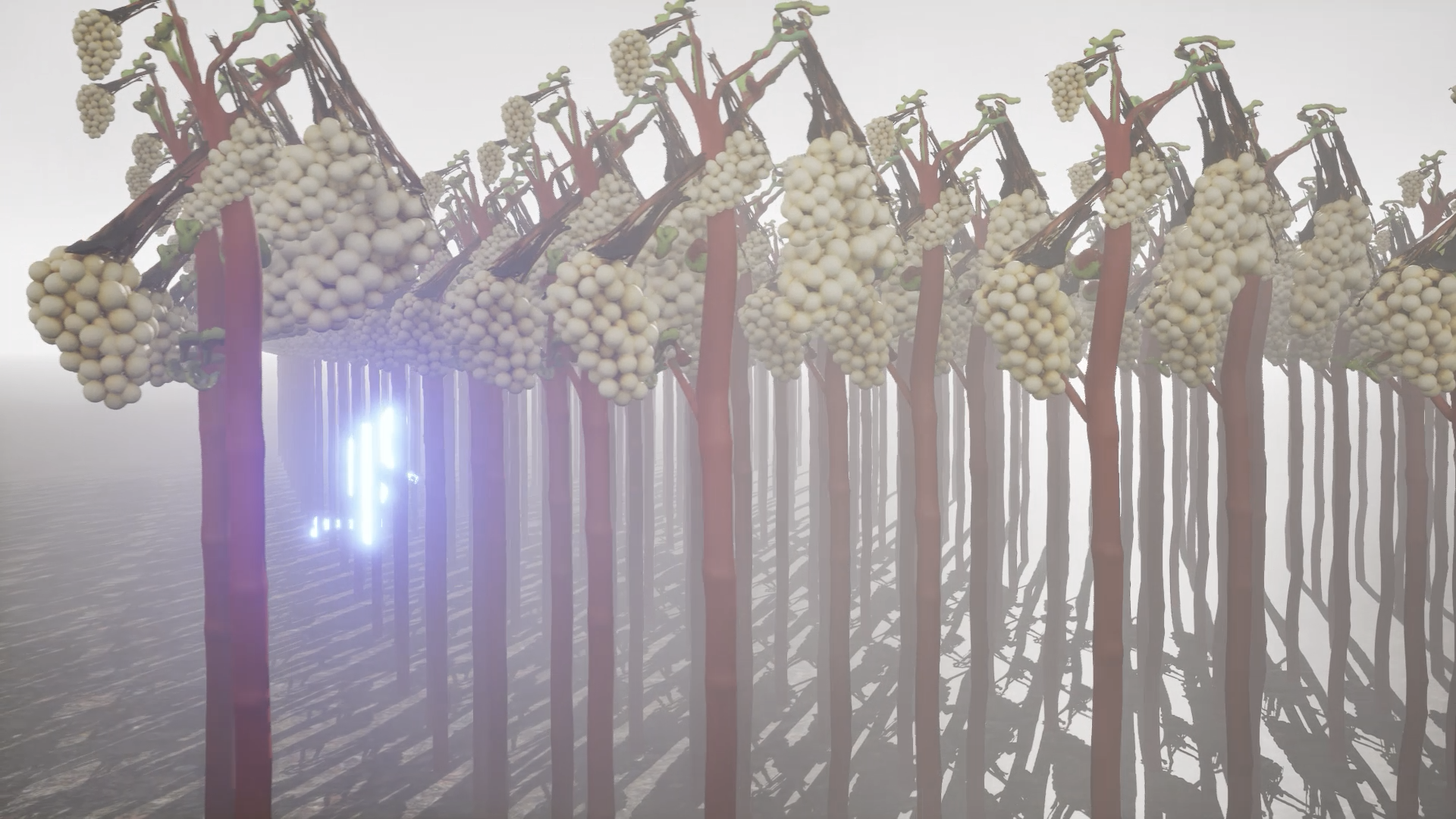
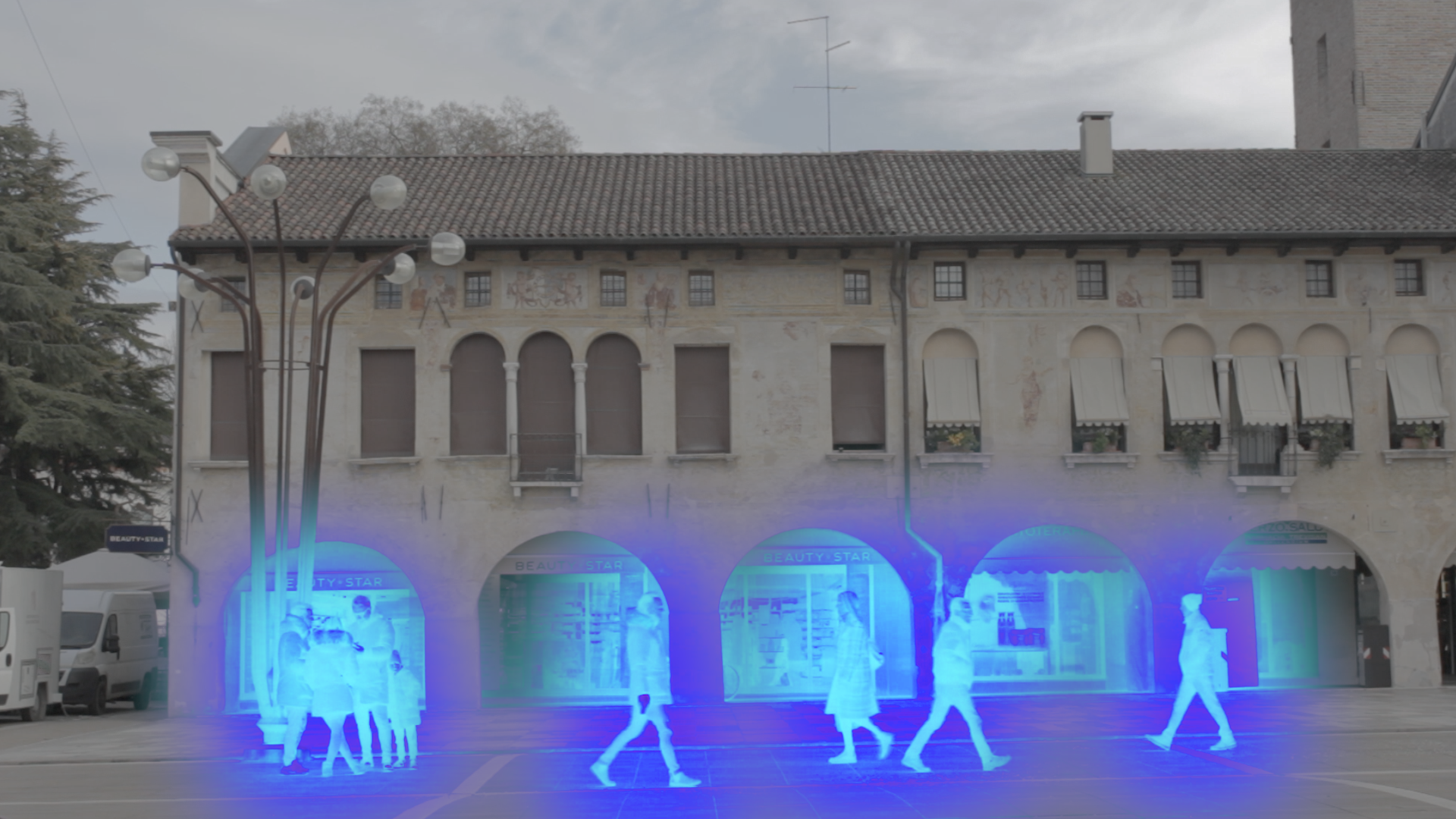
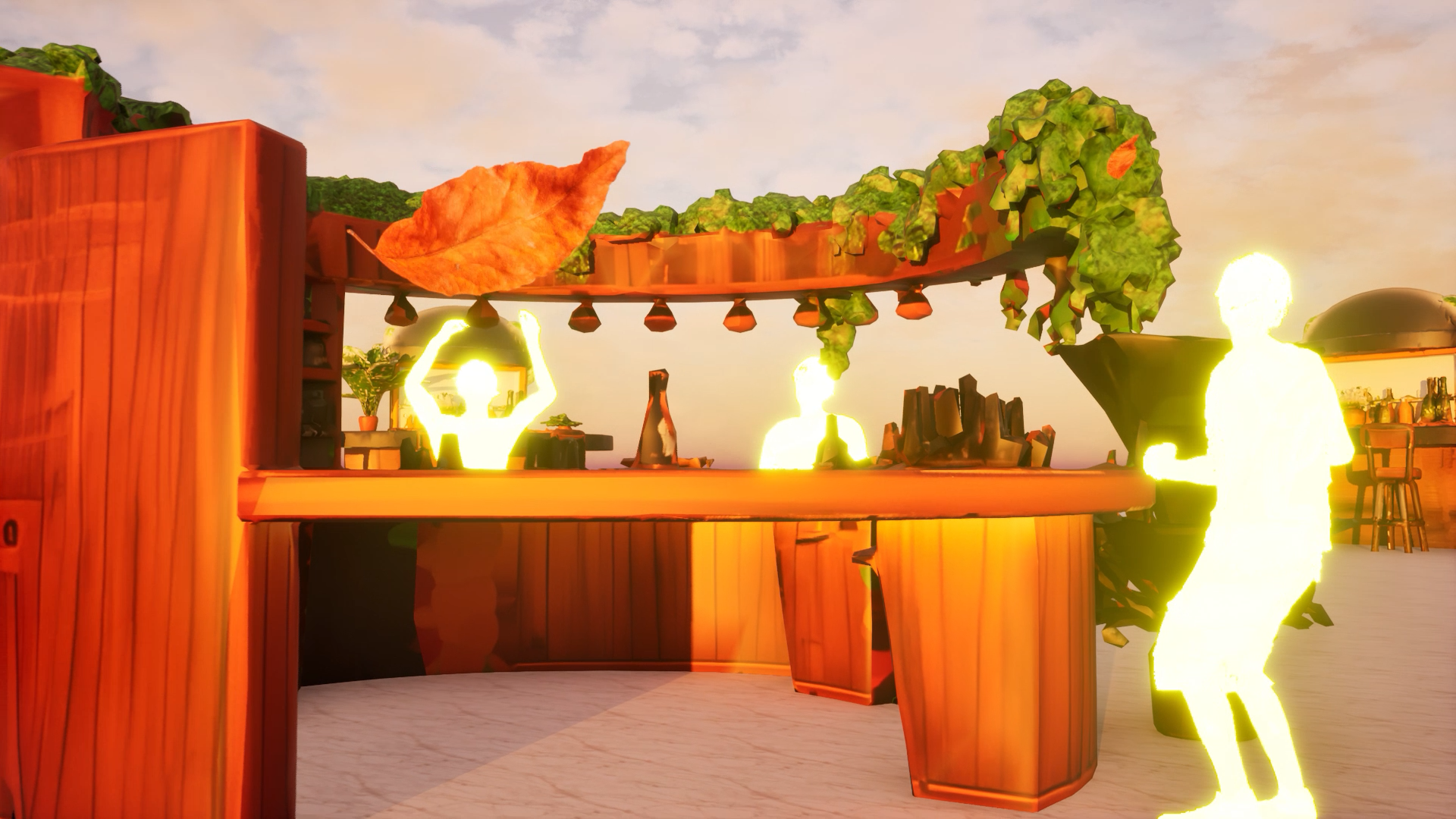
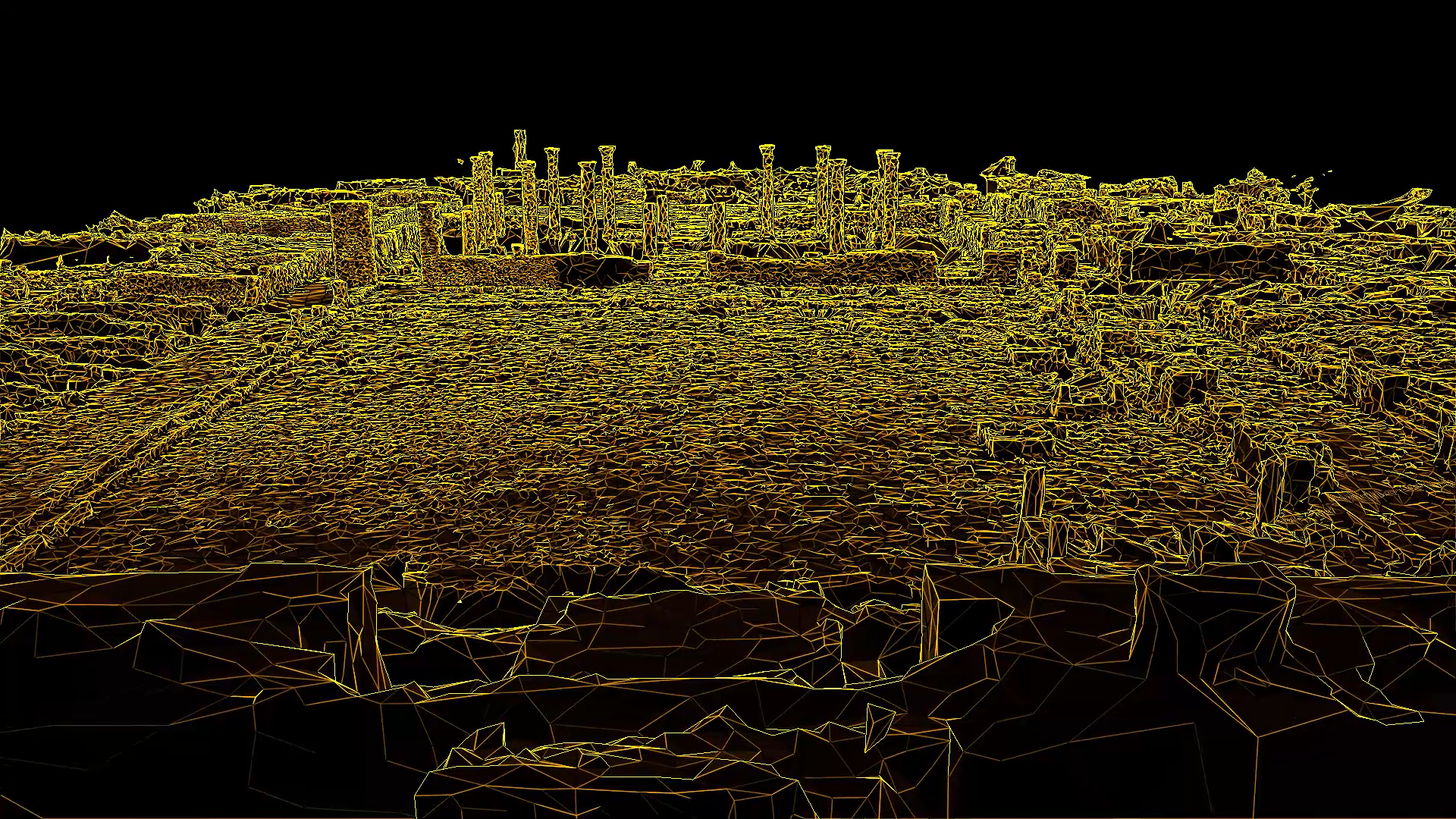
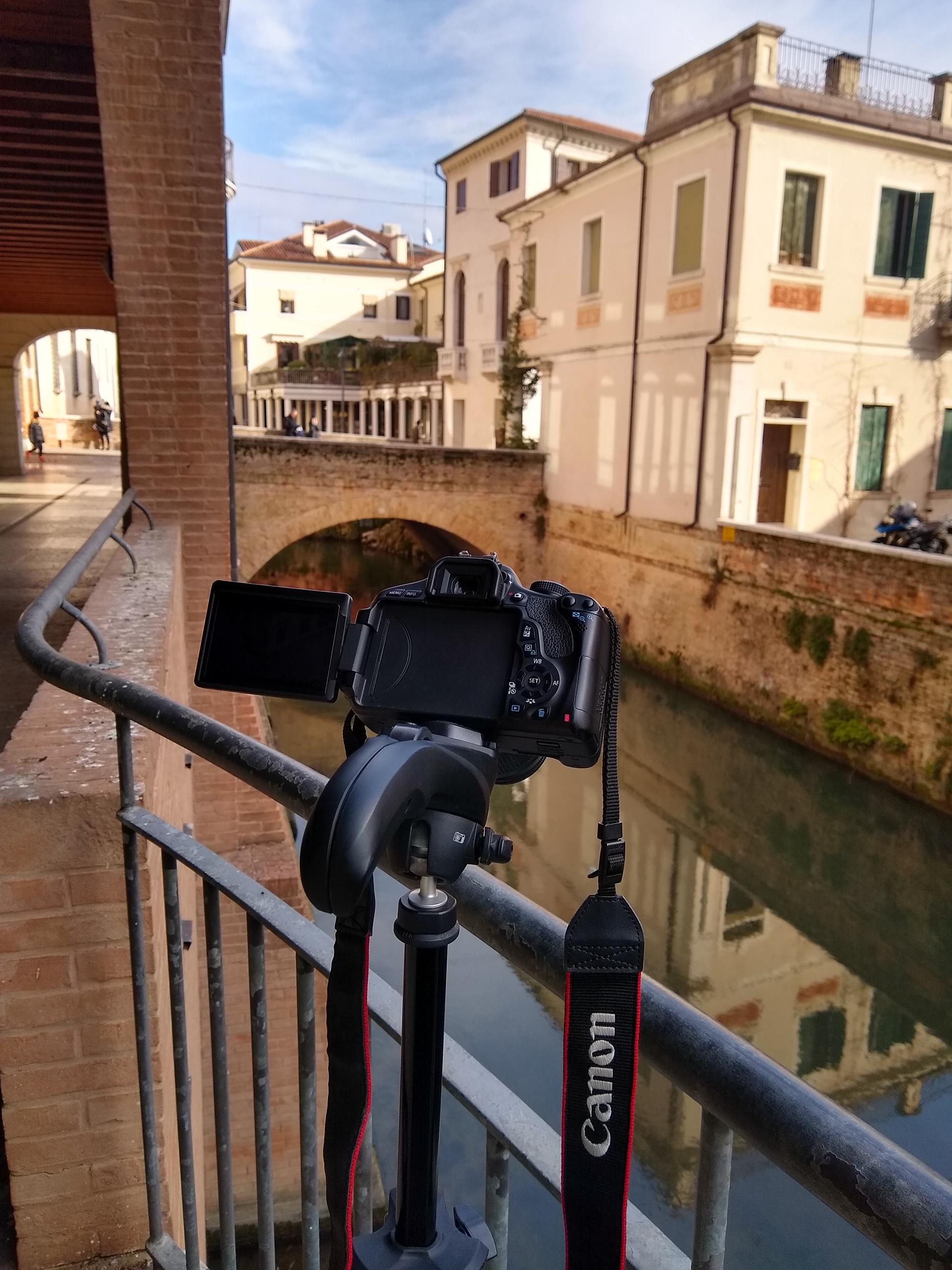
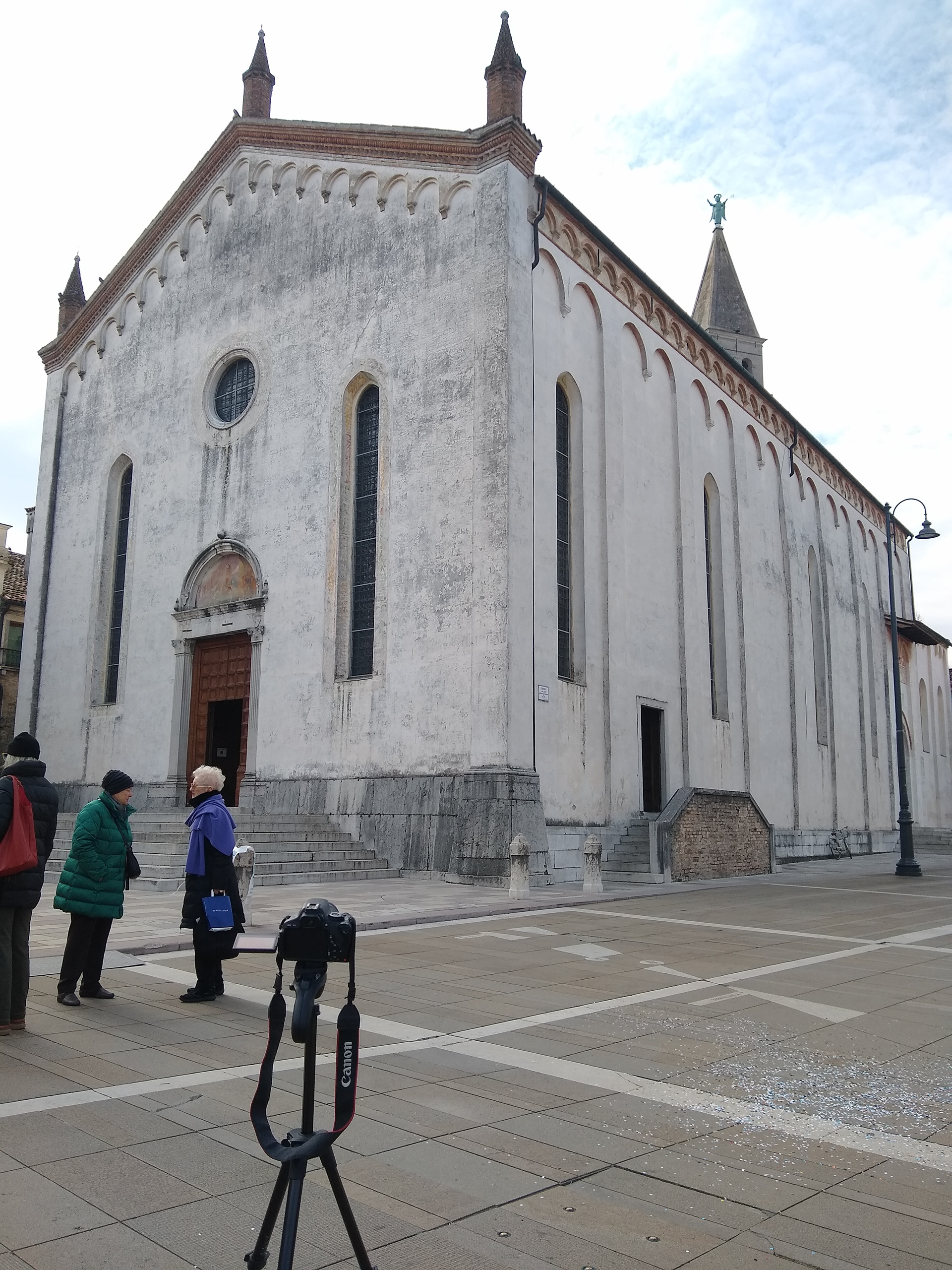
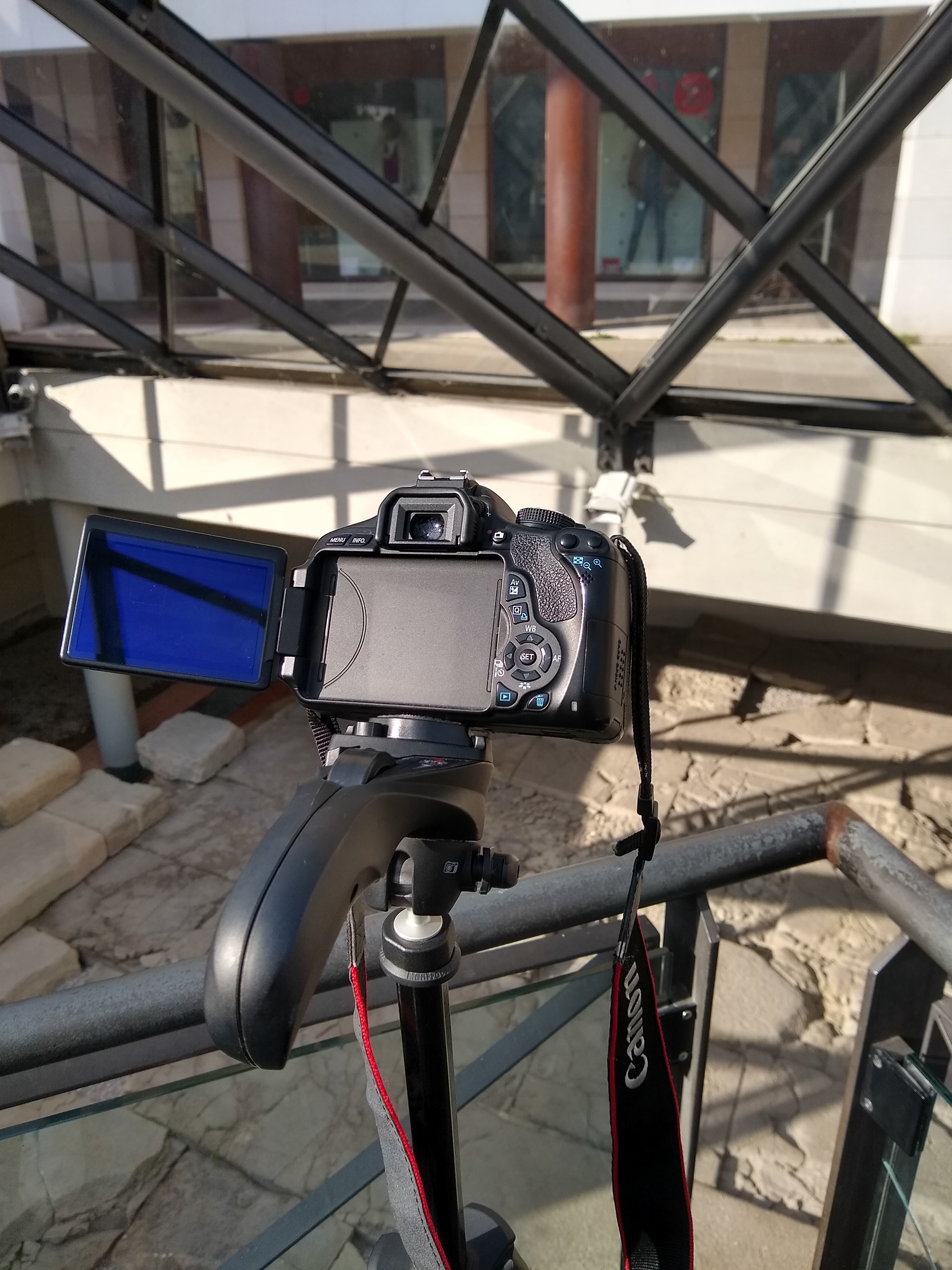
Project description
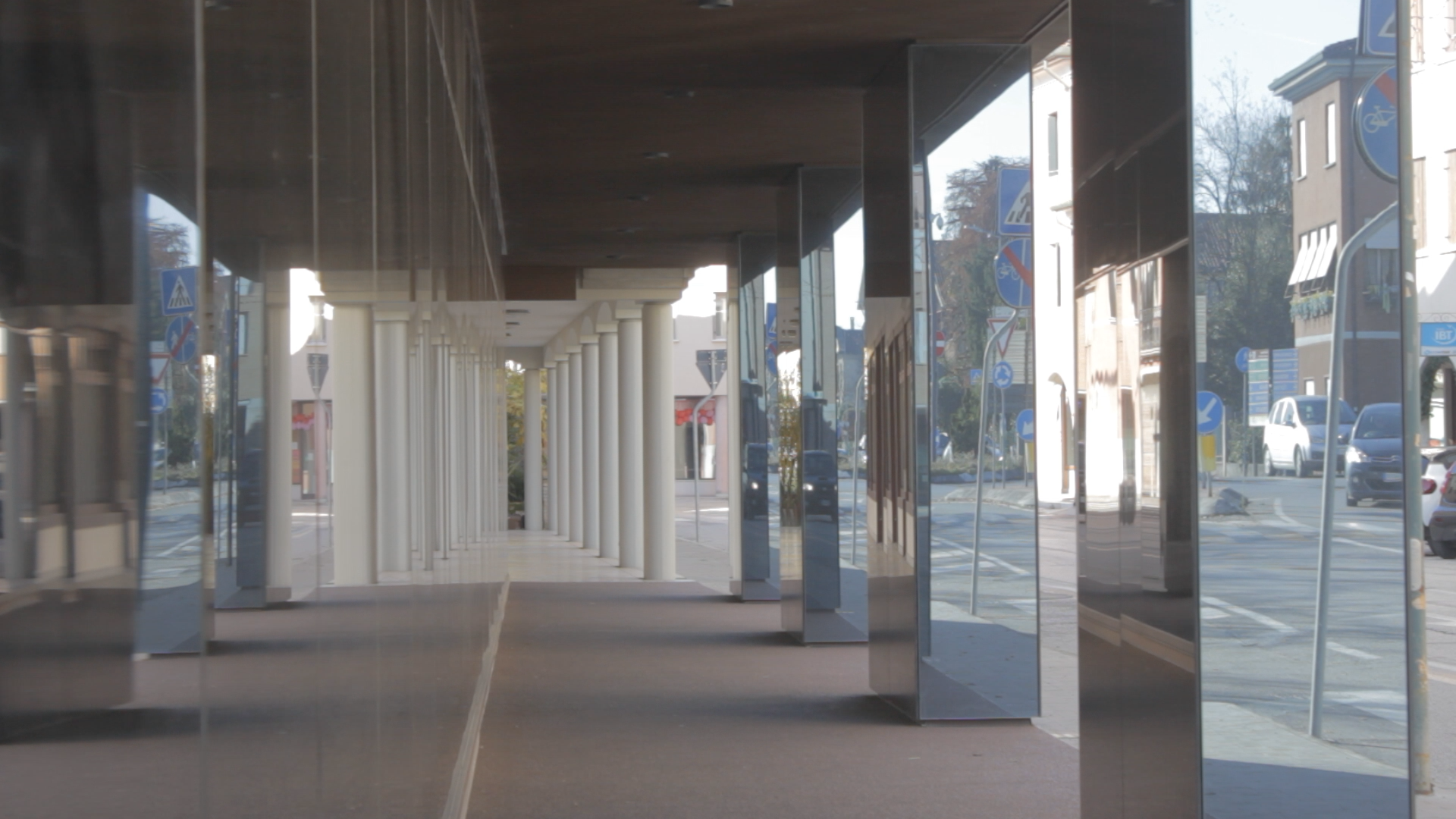
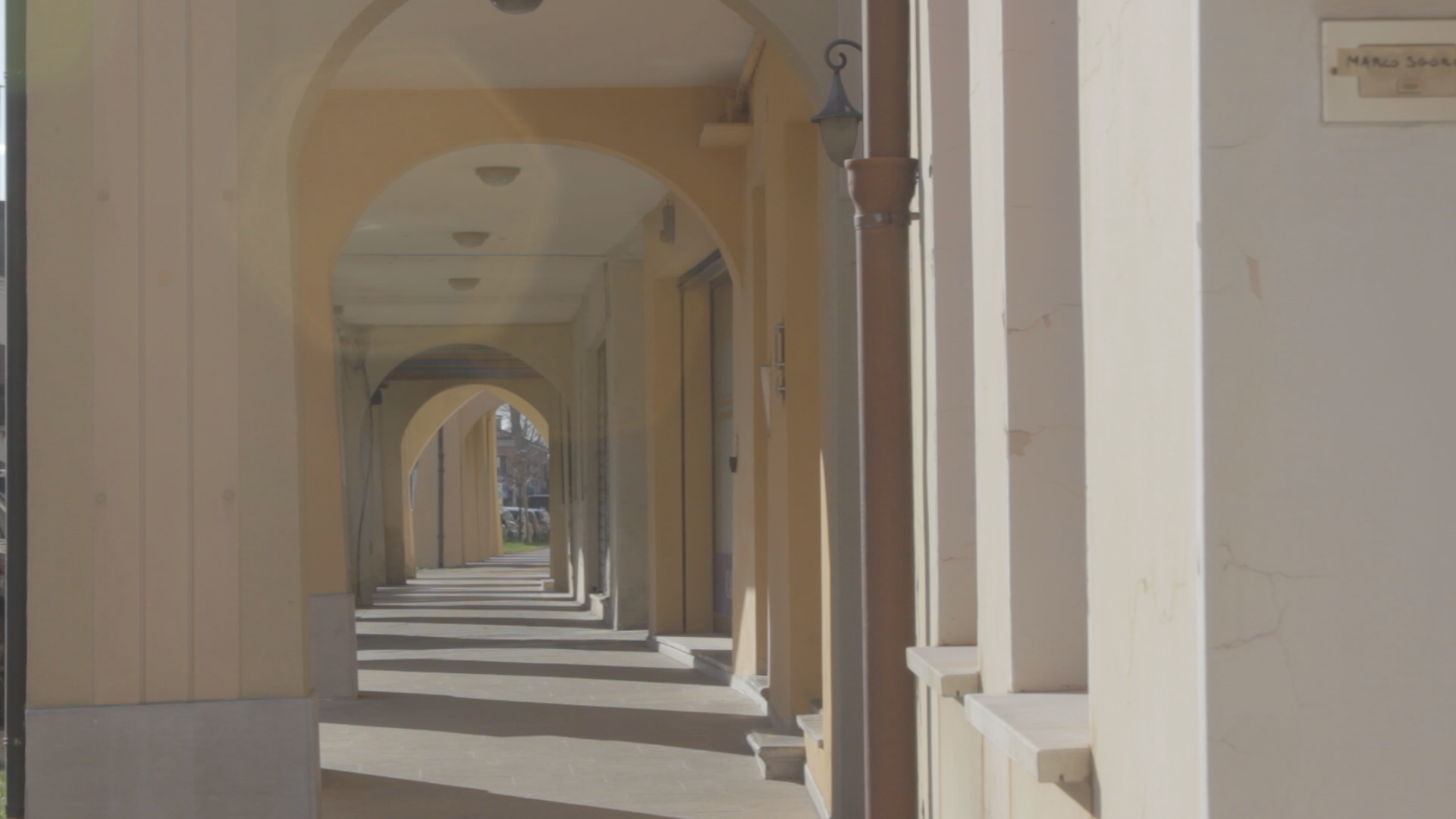
Il regno dell’analemma is a poetic and experimental mid-length documentary that unfolds as a contemporary myth, situated between observation and fiction, set in a small, ancient town in Italy, undefined in time. The film follows a young female healer who moves through the town as both witness and narrator. The story is told from her perspective.
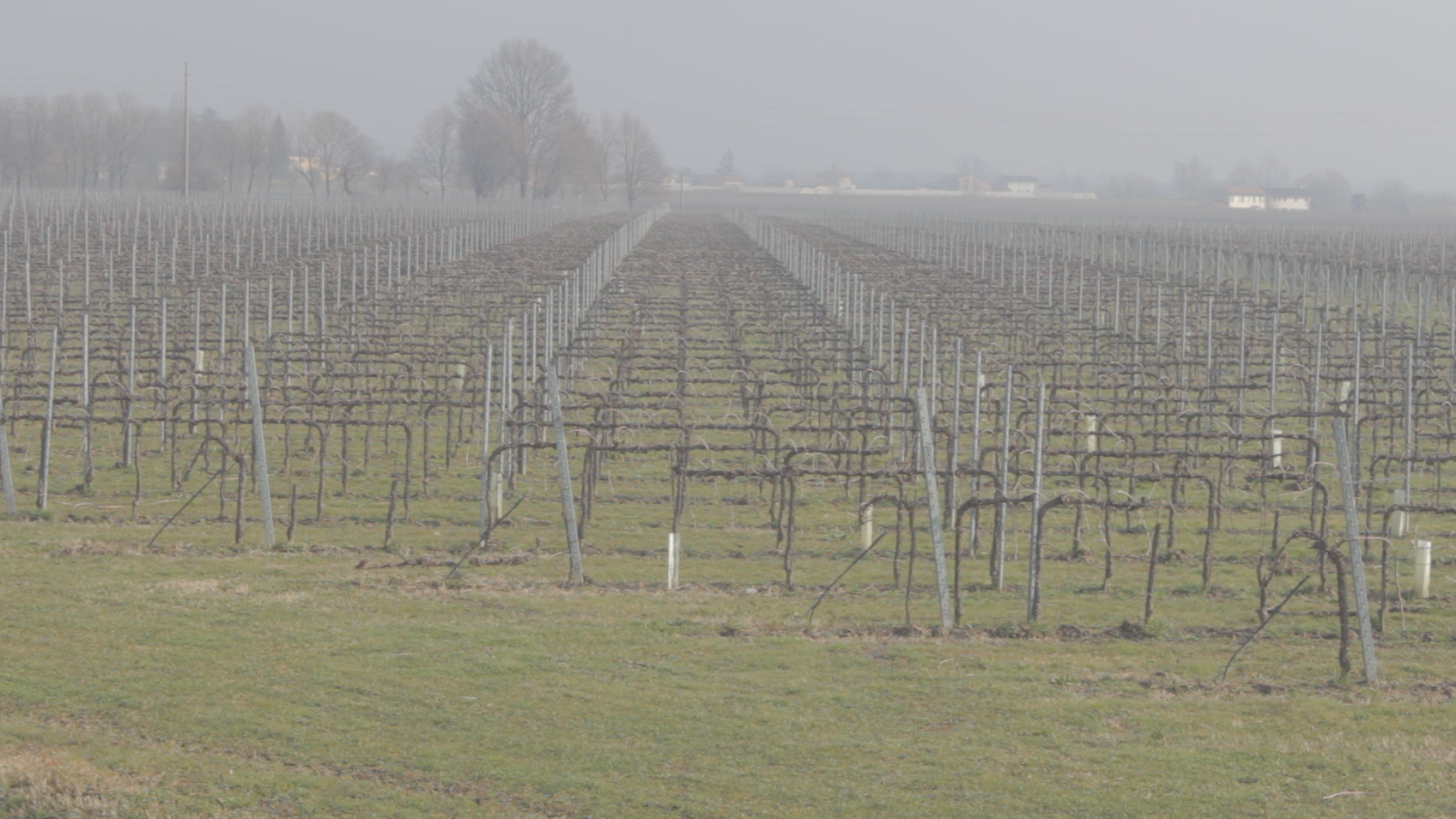
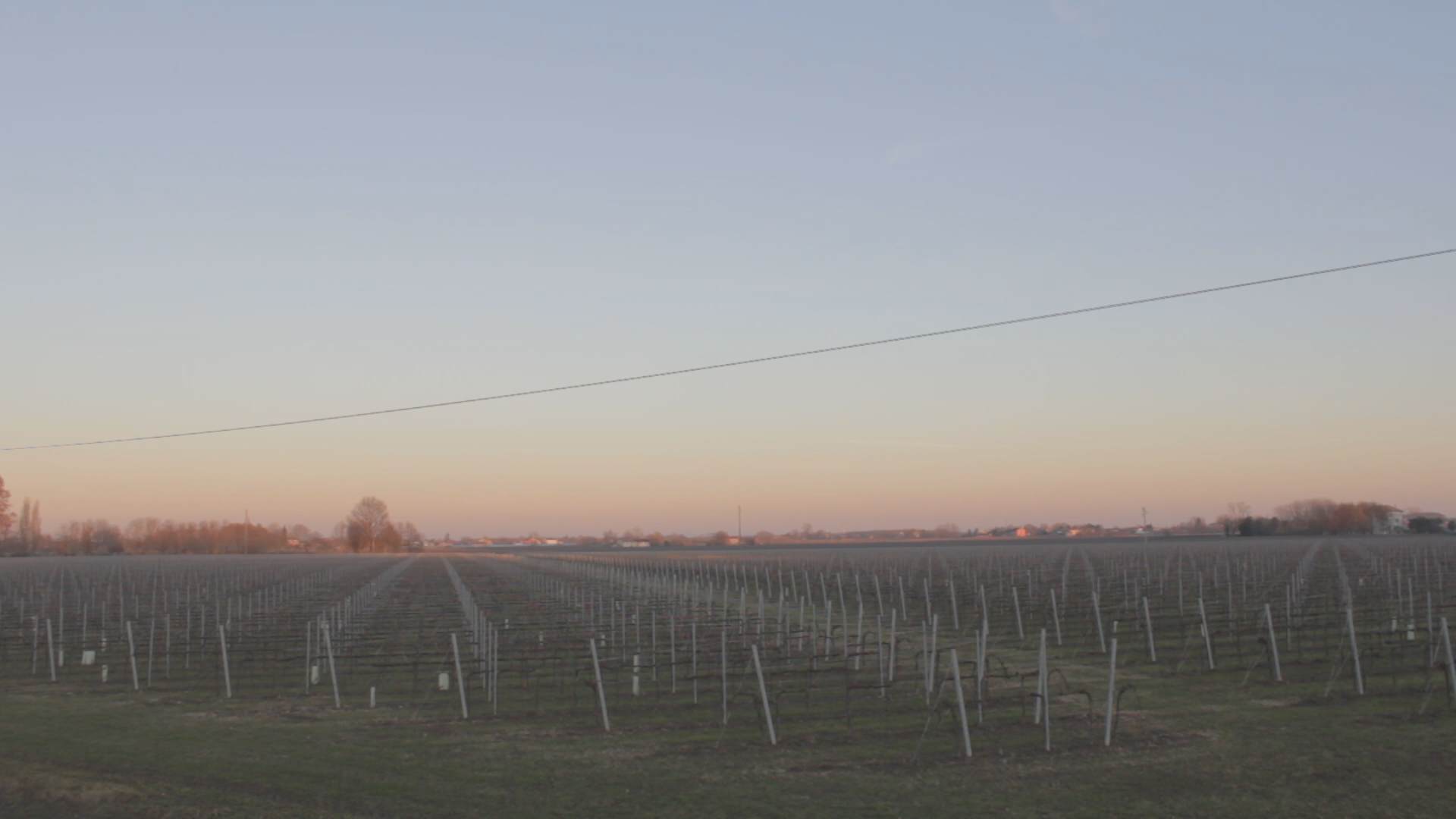
She is a brave and adventurous healer who explores a new land and, for the first time, experiences what it means to be a stranger. She guides the audience through sensations: streets, archaeological ruins, urban infrastructures, institutional buildings, rural landscapes, and traces of a past that continues to reverberate in the present. These spaces are approached as silently transmitting ideologies, systems of control, and collective memory. The analemma becomes a symbolic structure for the narrative: a looping, figure-eight path in which repetition and injustice recur over time.
In the introduction, the mission is established. The story initially develops through her sense of fascination with the Realm. Gradually, this fascination shifts as she begins to understand its people and encounters difficulties related to communication, labour conditions, and lifestyle. She attempts to solve each of these issues, until the first turning point, when the apartment owner expels her. She confronts this situation with the support of friends and neighbours, until a second turning point occurs: she is offered a job that includes accommodation, but under the condition that she gives up her belly and changes the colour of her skin. What follows is a surreal personal reaction, in which she gives birth to her true thoughts about the Realm, leading to disillusionment. She experiences an epiphany while observing airplane contrails in the sky, identifying herself with their linear shapes. The climax takes place during the discovery of the ruins, where she finally understands the origins of the Realm’s behaviour. At the end, during the winter solstice, she crosses the portal and leaves the Realm. Her transformation arc consists of recognizing her own shape and choosing to follow it.
The film invites reflection on conservative lifestyles, closed-minded ideologies, sexism, and consumerism in Italy’s forgotten towns, and by extension, in other European towns. It reflects on power and order not through explicit commentary, but through observation and atmosphere. Authority is suggested through architectural forms, urban planning, and ritualized behaviours, evoking continuity between ancient empires and modern systems, and questioning the idea of historical rupture.
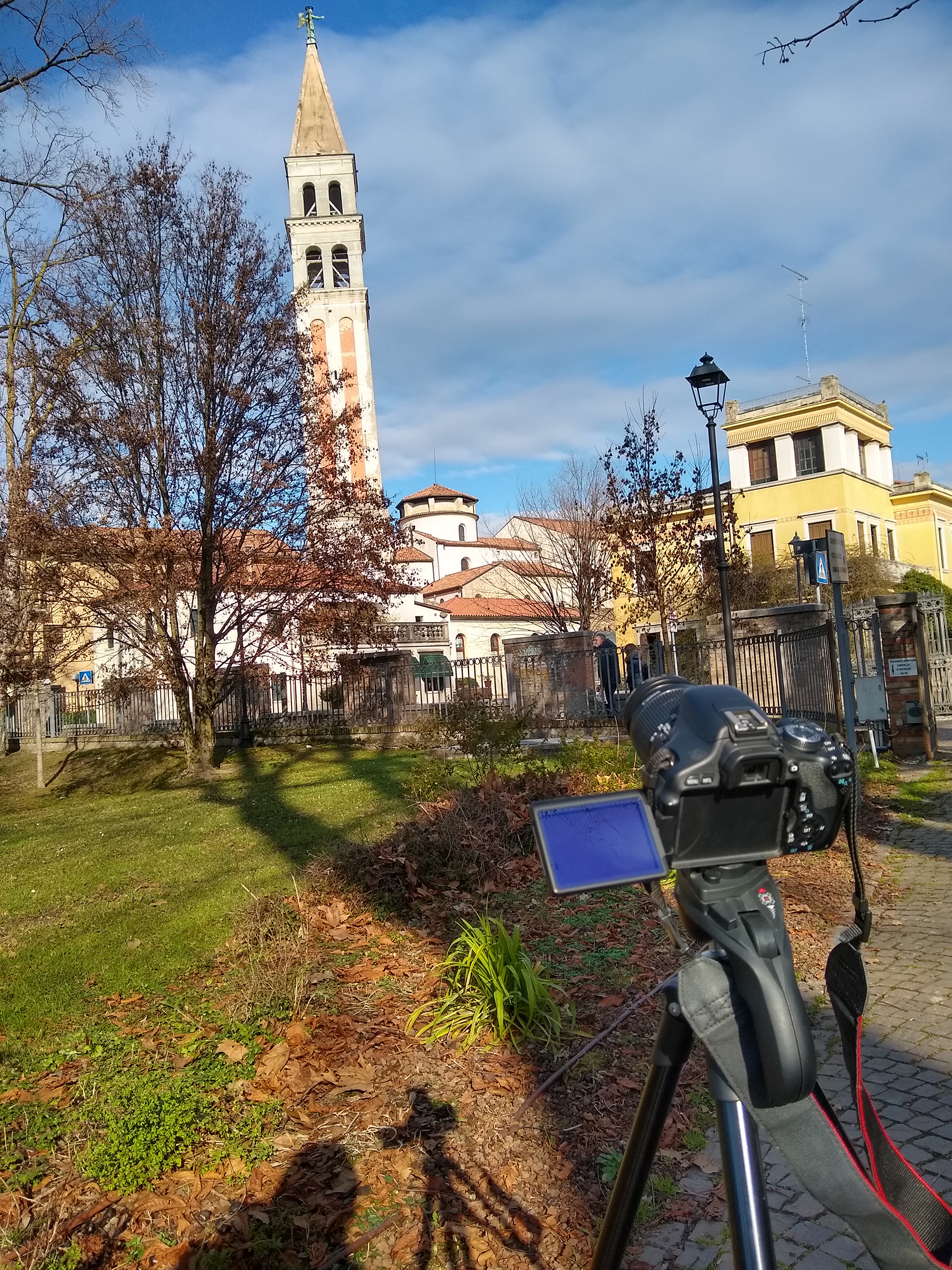
A mythical tone is used, with subtle sarcasm. The project is grounded in long-term, lived experience, with direct access to the town’s public spaces, landscapes, and everyday environments, approached through an observational and embodied perspective. The film combines live-action footage composed of long takes maintaining a certain distance from the subjects and a slow rhythm that reinforces the observational mode, with 3D computer-generated sequences featuring dynamic camera movements. Live-action footage represents the Realm as it is, while computer-generated images represent the protagonist’s inner perception of it: two worlds united and separated by the analemma. AI will be used to create certain transitions between scenes to evoke this separation, and to generate the film’s music.
Motivation
I am an Argentine director and a foreigner who lived for one year in a small town in north-eastern Italy. I arrived with curiosity and enthusiasm, but experienced deep disappointment. At first glance, everything seemed charming: I was struck by the tranquility, beauty, and apparent connection with nature. Over time, however, I encountered everyday life in the town. I was not only treated as a stranger, but also taken advantage of.
The conflicts and dialogue scenes in the film are inspired by my own experiences and by those of friends I met there, people from different parts of Italy and the world who faced similar situations. I came to understand the town as a place frozen in time, shaped by rigid ideological and social mindset. Many issues appear to belong to the past, yet they persist today: the passive role imposed on women, male authority, unquestioned capitalist values, state power, prejudice against immigrants, and a deeply rooted individualism. Discovering that these conservative beliefs still exist in the 2020s is profoundly disheartening. I consider this a sociological problem that contributes to the abandonment of towns, not only in Italy but across Europe. Through my film, I seek to reveal how the systems we live in are sustained by both visible and invisible structures, from ancient times to the present. The analemma emerged as a central metaphor for understanding these dynamics. Unlike linear time, the analemma represents repetition: a cyclical return that endlessly reinforces the same power structures. It allows history to be perceived not as progress, but as a system that continuously reorganizes itself while preserving imbalance. Through this lens, the film reflects on contemporary capitalism, control, sexism, racism and individualism. It proposes observing and questioning how these systems persist through architecture, ritual, and everyday gestures. These topics feel particularly urgent today, in a historical moment marked by acceleration, fragmentation, domination, and selfishness.
I’m the right person to make a film because I lived these experiences firsthand. The lack of daylight during winter affected me deeply, both emotionally and physically, contributing to a state of depression. This personal experience led me to conceive the astronomical phenomenon of the analemma as a portal to the outside world, a metaphor for escape, transformation, and self-recognition.